Thursday, May 19, 2016
Sunday, May 15, 2016
Friday, May 13, 2016
Friday, May 6, 2016
After Pesach
After spending eight days munching on cardboard-like sheets of baked dough, it's a treat to get back to adulterated-loaded-with-carbohydrates-bread. And to celebrate, the Ashkenazi tradition on the first Shabbat after Pesach is to bake Shlissel Challah. The ritual is not without controversy, big surprise there. But braiding and baking challah after Pesach is reason enough to have a social gathering.
Six strands of dough (with plenty of yeast), left to rise, and baked for 40 minutes. Yummy!
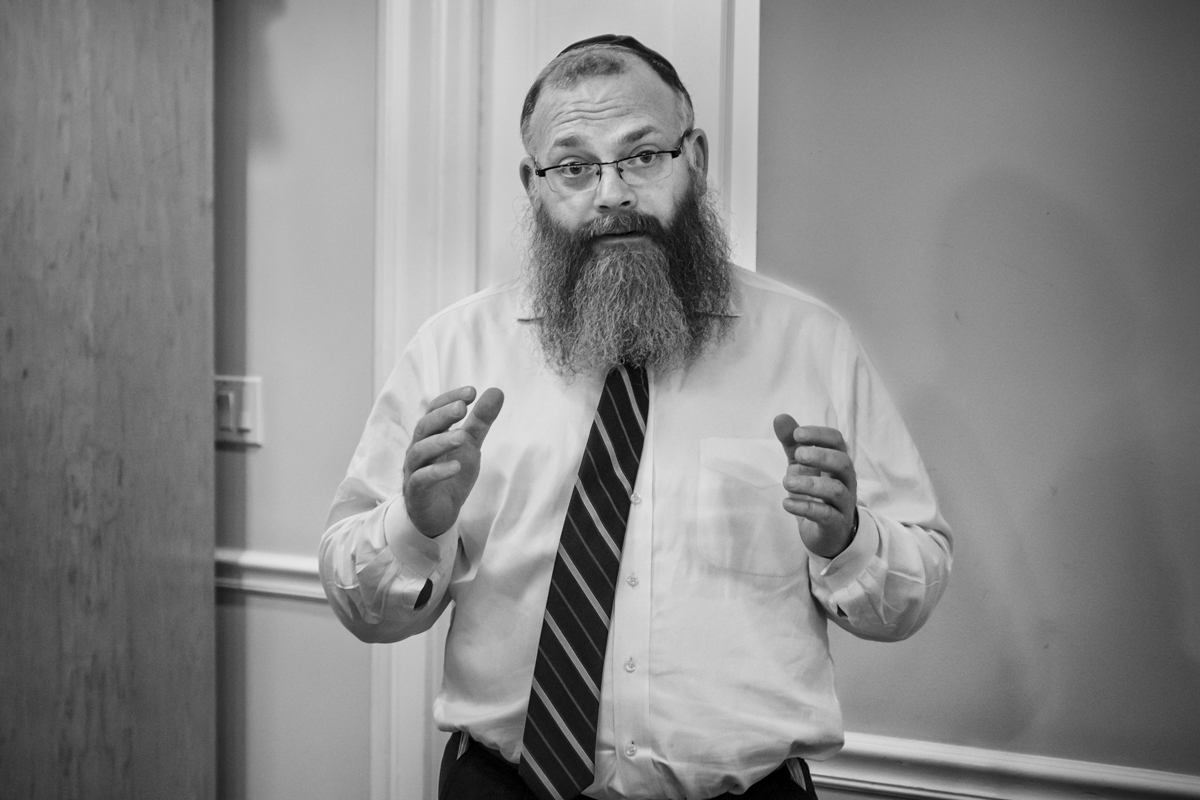
Of course, the rabbi has to get his two cents in:
Six strands braided (guys get to play also):
Almost ready for the oven:
Six strands of dough (with plenty of yeast), left to rise, and baked for 40 minutes. Yummy!
Of course, the rabbi has to get his two cents in:
And the kids get to play with real dough:
Six strands braided (guys get to play also):
Quite an intricate weave:
Almost ready for the oven:
Friday, April 29, 2016
Pesach - Part 3, A Day In The Sun
The holiday is both sad and joyous. We eat the traditional matzah to remind us of the hardships of Egyptian slavery and the journey through the desert. But it's the defining celebration of the Jewish nation - our spiritual coming of age in the experience of the parting of the Red Sea and the delivery of the Ten Commandments and Torah at Mount Sinai some 50 days later. It's a weeklong celebration (as is the fall festival of Sukkoth) of eating festive meals and studying the Torah. And many Jews take the time off from work to spend (spiritually and materially) with their families and friends. Out and about for a stroll or shopping on Fifth Avenue and Herald Square.
Sunday, April 17, 2016
Pesach - Part 2, More Shmurah Matzoh
Pesach is a holiday that is centered around home and family. Recounting the story of the Hebrew exodus from Egypt and the establishment of the nation of Israel at Mount Sinai with the giving and receiving of the Torah as the defining story of Judaism is passed on from generation to generation through the Seder service and holiday meal. Nothing symbolizes the Pesach holiday more symbolically than matzoh. And despite what Governor Kasich had to say, matzoh has nothing to do with anybody's blood.
How better to impress kids with the meaning of the holiday and the significance of matzoh than to have them mix, roll out, and bake the dough.
Mixing the water and flour:
Breaking up the dough and rolling into flat wafers:
The final stage: baking the dough to end the 18 minute process:
How better to impress kids with the meaning of the holiday and the significance of matzoh than to have them mix, roll out, and bake the dough.
Mixing the water and flour:
Breaking up the dough and rolling into flat wafers:
The final stage: baking the dough to end the 18 minute process:
Saturday, April 2, 2016
Pesach - Part 1, Shmurah Matzoh
The festival of Pesach (Passover) follows on the heals of Purim. Because of the dietary restrictions of Pesach carefully observed ritual preparation begins weeks before the holiday. The preparation of matzoh must be done in a controlled environment so that there is no contamination with leavening and to guarantee that the baking process doesn't result in any rising of the dough. Here's a complete explanation of the the procedures and their meaning. In all, the process must not exceed eighteen minutes - it's a number with deep mystical significance. The water must be at a proscribed temperature, the dough must not have any moisture in it, the sticks that roll the dough flat must be fresh wood with no contamination of previously rolled dough, and the final matzoh must not have any burn imperfections.
Because a shmurah bakery is used only for a few weeks a year, it's usually an extremely confined space with many people moving around doing various tasks, and many rabbis observing the entire process to insure that their batch of matzoh is done to perfection. Many of the people working in the bakery are Russian Jews who have a hearty distrust of photographers. The whole process is a real challenge to photograph.
Ninja warrior matzoh helpers:
A hot job:
Because a shmurah bakery is used only for a few weeks a year, it's usually an extremely confined space with many people moving around doing various tasks, and many rabbis observing the entire process to insure that their batch of matzoh is done to perfection. Many of the people working in the bakery are Russian Jews who have a hearty distrust of photographers. The whole process is a real challenge to photograph.
Saying the afternoon mincha prayer before beginning a new batch of matzoh:
Hands must be washed and completely dried before handling a new batch of flour for the matzoh dough:
The rabbis getting ready to supervise the new preparations and baking:
Ninja warrior matzoh helpers:
Each of the matzoh discs must be perforated with holes so that there is absolutely no rising of the dough:
A hot job:
Inspecting each piece of matzoh before packing to make sure there's no rising and no burn spots:
Subscribe to:
Posts (Atom)